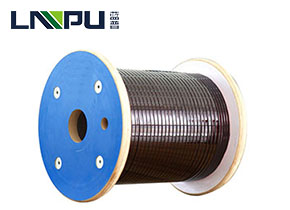
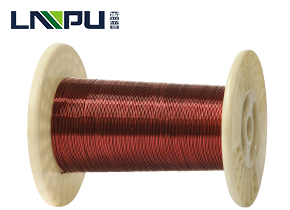
The range of nominal conductor dimensions covered by this standard is as follows:
The elongation of the wire depends on several factors, including conductor size, material properties, and the manufacturing process. For enamelled wires, elongation is generally a secondary characteristic, as their primary purpose is to provide reliable electrical insulation while maintaining good winding performance.
Polyester overcoated with polyamide-imide enamelled rectangular copper wire (Class 200) is generally considered solderable. However, solderability depends on factors such as soldering temperature, flux type, solder alloy, and processing conditions. To achieve reliable solder joints, it is recommended to follow the manufacturer's soldering guidelines and process specifications.
Electrical resistance is determined by the conductor dimensions, material properties, and wire length. To obtain the precise electrical resistance value, refer to the manufacturer's technical specifications.
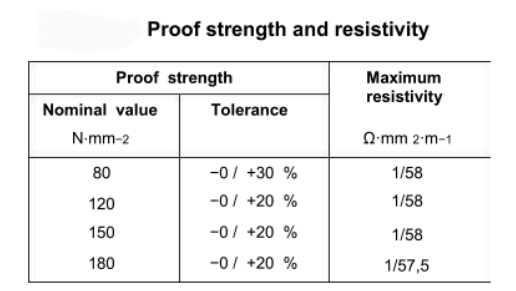
The resistance of the wire shall be expressed as the DC resistance measured at 20°C. The measurement method shall provide an accuracy of ±0.5%.
The maximum resistance value shall not exceed the value calculated for the minimum permitted cross-sectional area of the conductor, based on the minimum allowable thickness and width dimensions, the maximum corner radius, and the specified resistivity given in the applicable standard.
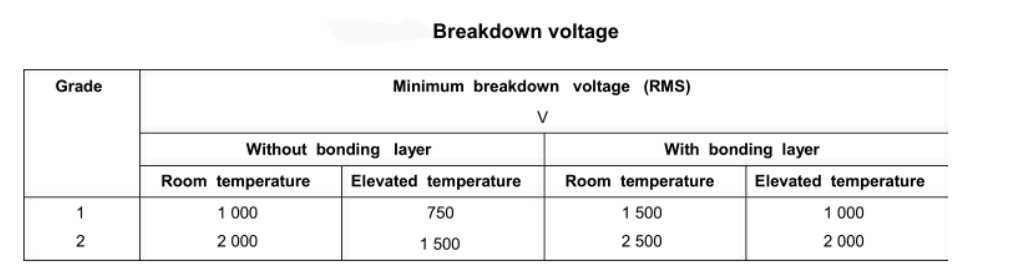
When tested at room temperature, at least four of the five test specimens shall withstand a breakdown voltage not less than the value specified in the applicable table. The fifth specimen shall not break down at a voltage lower than 50% of the specified value.
When required by the purchaser, the wire shall also be tested at an elevated temperature.
The required elevated test temperature shall be specified in the relevant specification sheet.
Mandrel Winding Test
The coating shall show no crack after the wire has been bent flatwise and edgewise on a mandrel with a diameter as specified in the table.

Adherence Test
The wire shall be stretched by 15% or to the breaking point, whichever is less. The distance of loss of adherence shall be less than 1 × Width.